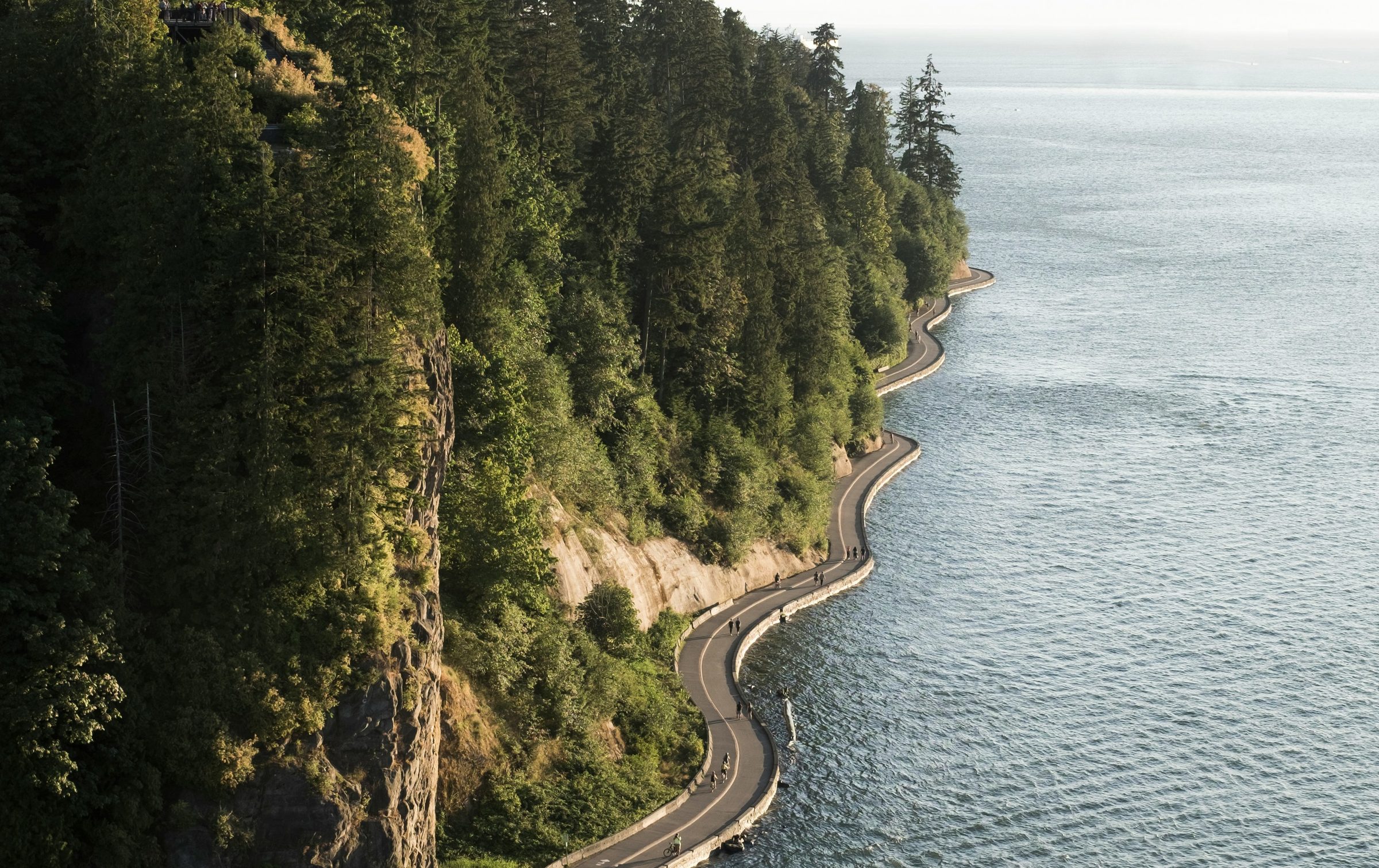
Vancouver, British Columbia
NVIDIA B300 servers in Vancouver, contracted to one customer at a time. We work with teams across North America.
Why Freyr

NVIDIA Preferred Partner
Freyr is an NVIDIA Preferred Partner with a direct allocation of Blackwell hardware. The servers in our Vancouver racks come from NVIDIA rather than a broker or a resold contract, so we can give you a delivery date.
The product
You contract the whole server, not a share of one, with no layers you did not ask for.

Your architecture, your storage profile, your interconnect topology.
Configured and burned in before it goes into the rack in Vancouver.
Bare metal with root access and nothing in the way.
If you would rather buy inference by the token than run servers, we do that too, through Infer Street.
The structure
Spin up, spin down, pay for what you use. That is the right answer for a workload that runs occasionally. If yours runs continuously, the two are worth comparing.
Buying on demand
Contracting with Freyr
It is a bigger commitment than clicking a button. It also turns your compute cost into a fixed line in the budget rather than a moving one.
The constraint
Across North America, AI capacity gets announced in gigawatts and delivered years later. British Columbia has far less room than that.
All the new power BC Hydro will allocate to AI data centres over two years, under a competitive process.
Serving every data centre in the province today. The base this is being added to is small.
When allocation decisions are made. Most applicants will not get power.
Where power is limited, what matters is being connected already.
Freyr's capacity is contracted, powered and running in Vancouver today.
Where it runs
Freyr's compute runs in eStruxture's VAN-2 and VAN-3 facilities, with high density power and cooling built for AI workloads. Network presence at Cologix in downtown Vancouver puts us in the Harbour Centre carrier hotel with direct access to the Vancouver Internet Exchange and onramps to AWS, Azure and Google Cloud.
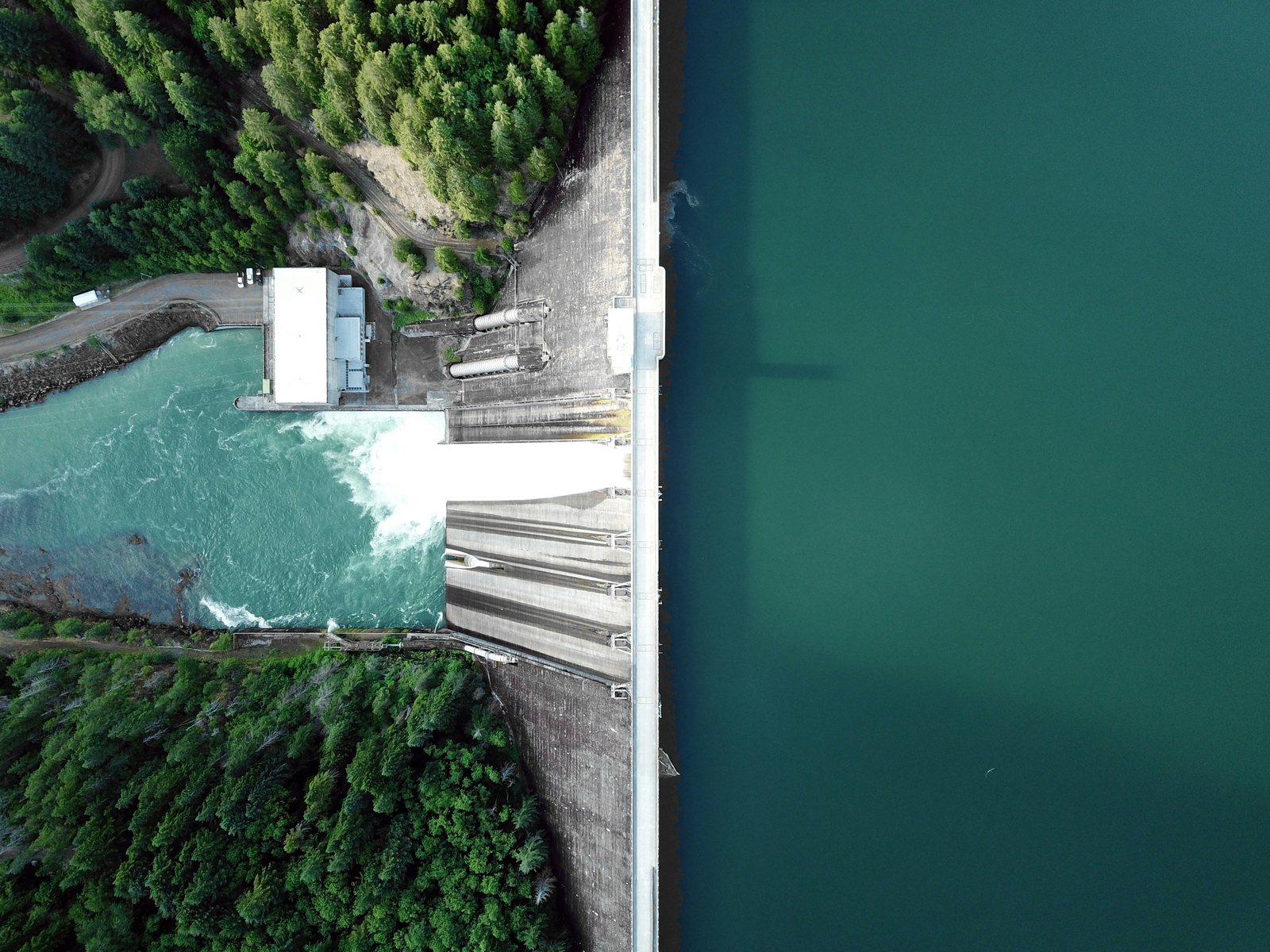
British Columbia's grid is hydroelectric, so the power behind your cluster is renewable without building a generation project for it. Latency across the Greater Vancouver region runs around 5 milliseconds. For teams with existing infrastructure in a hyperscaler region, the cloud onramps mean a hybrid architecture works without replumbing your network.
Data processed on Freyr hardware stays in the facility you contracted.
A direct allocation of Blackwell hardware, not resold capacity. Listed on the NVIDIA marketplace.
Hardware under contract and colocation under agreement in Vancouver facilities that are running today.
A Vancouver team, a Vancouver address, and a named engineer on every deployment.
 John Kinash
 Matthew Mok
Global footprint
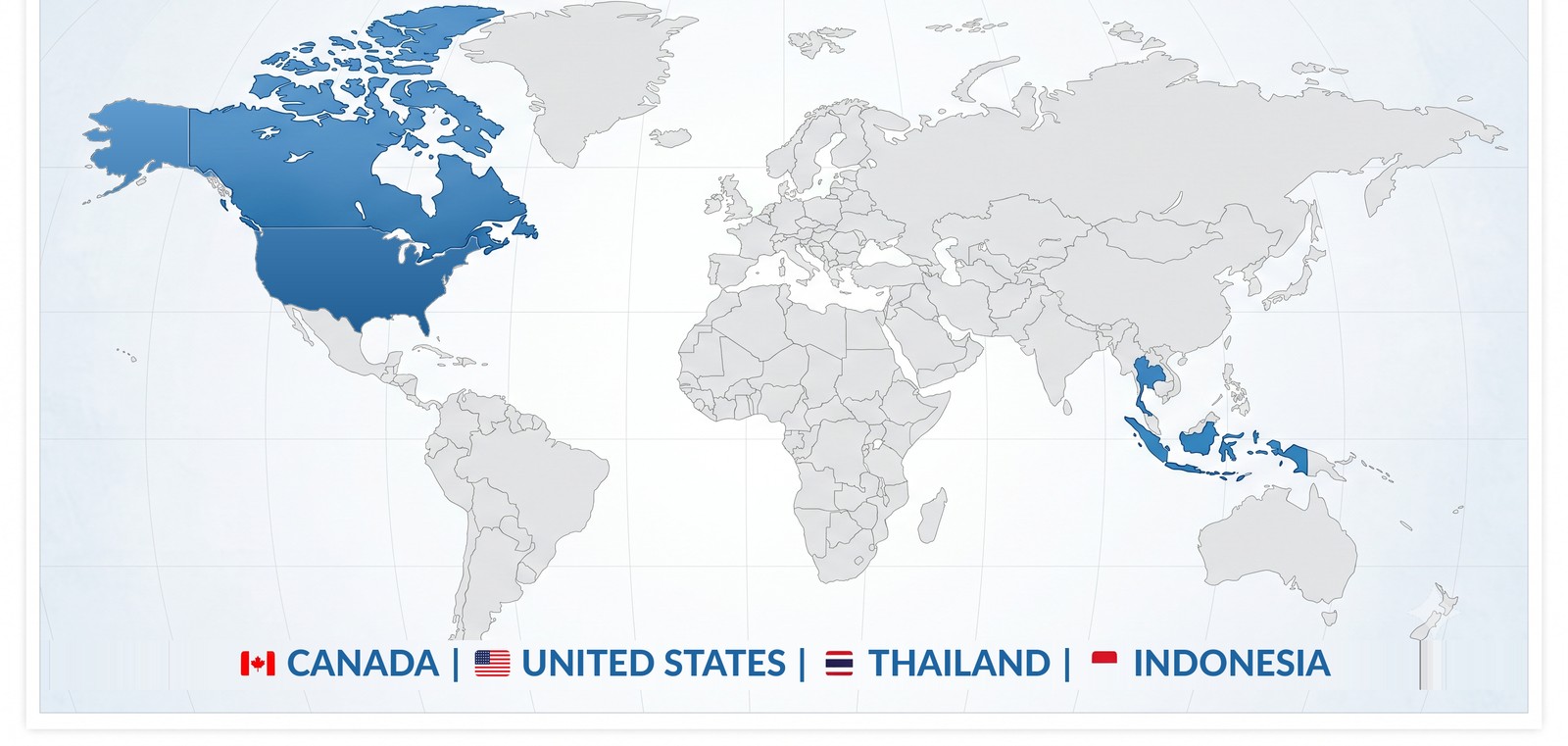
Freyr builds and operates AI infrastructure in Canada, the United States, Thailand and Indonesia. Vancouver is the North American arm, with its own entity, its own contracts and a team on the ground.
The group builds sovereign compute. In Southeast Asia that means putting NVIDIA infrastructure inside the country using it, so national AI work runs on domestic soil under domestic rules. Vancouver does the same thing for North America.
Nodes are built to your specification before deployment, so we allocate once you commit. The 2026 deployment window is open.
Talk to
John Kinash
Business Development, North America
Tell us your model, your scale and your timeline.
We will tell you whether we can help.
